Aquarium Filters 101: A Complete Beginner’s Guide
Aquarium filters are known as the “heart” of the tank. They are a crucial part of a fully functional and balanced tank. As a new fishkeeper, the topic of filters can be overwhelming with the vast number of aquarium filter types, brands, and sizes. How do you decide which filter is best for you?
Well, you first need to understand the basics of aquarium filters in order to make an informed decision. In this article, we’ll explain how aquarium filters work, the types of filtration, and the types of filters you can use.
What are Aquarium Filters?
Aquarium filters are critical components for both freshwater and marine tanks. Aquarium filters remove the nasty physical and soluble chemical waste products from tank water, simplifying maintenance.
You can scrub your life away and do numerous water changes, but to keep your aquarium free of toxins and other substances, you’ll need help. This is where filters come in.
How do Aquarium Filters Work?
Okay. Now that we know how important aquarium filters are, the actual mechanics of how they work may be unclear.
To put it in simple terms, an aquarium filter works by pushing water through various types of filtration media. There are three types of filtration media: mechanical, biological, and chemical media.
Each type of filtration media has its own specific purpose and operates differently. But ultimately, they all serve the same purpose: trap debris, remove toxins, keep parameters stable, and create a flow in your aquarium.
Types of Filtration
Mechanical Filtration
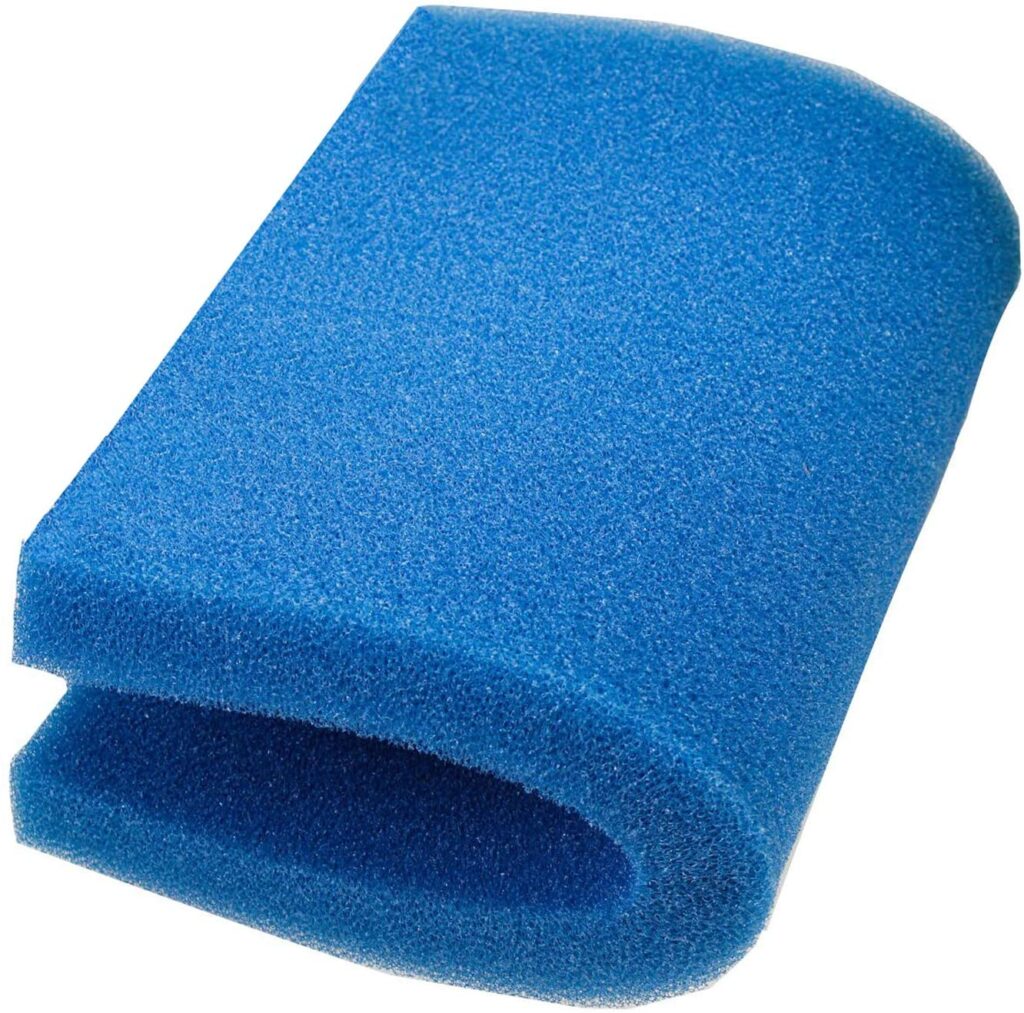
Mechanical filtration has a simpler process. Mechanical filtration acts as a physical barrier and aquarium waste trapper. Particles and other substances floating around in your tank get caught by the filter. This helps clean the tank and aerate the water.
Specific mechanical filtration media include sponges, foam, filter wool, and other matting. Often, a mechanical filtration system contains multiple stages of filtration. The biggest particles are first caught by sponges, and the mesh of the next sponges keeps getting finer and finer, capturing the smaller particles.
With that said, out of sight does not mean out of your aquarium… Mechanical filtration is not designed to break down the waste; it simply collects. Regular filter and occasional filtration media cleaning is important. If you leave the trapped waste in your filter, your fish’s health will suffer.
Biological Filtration
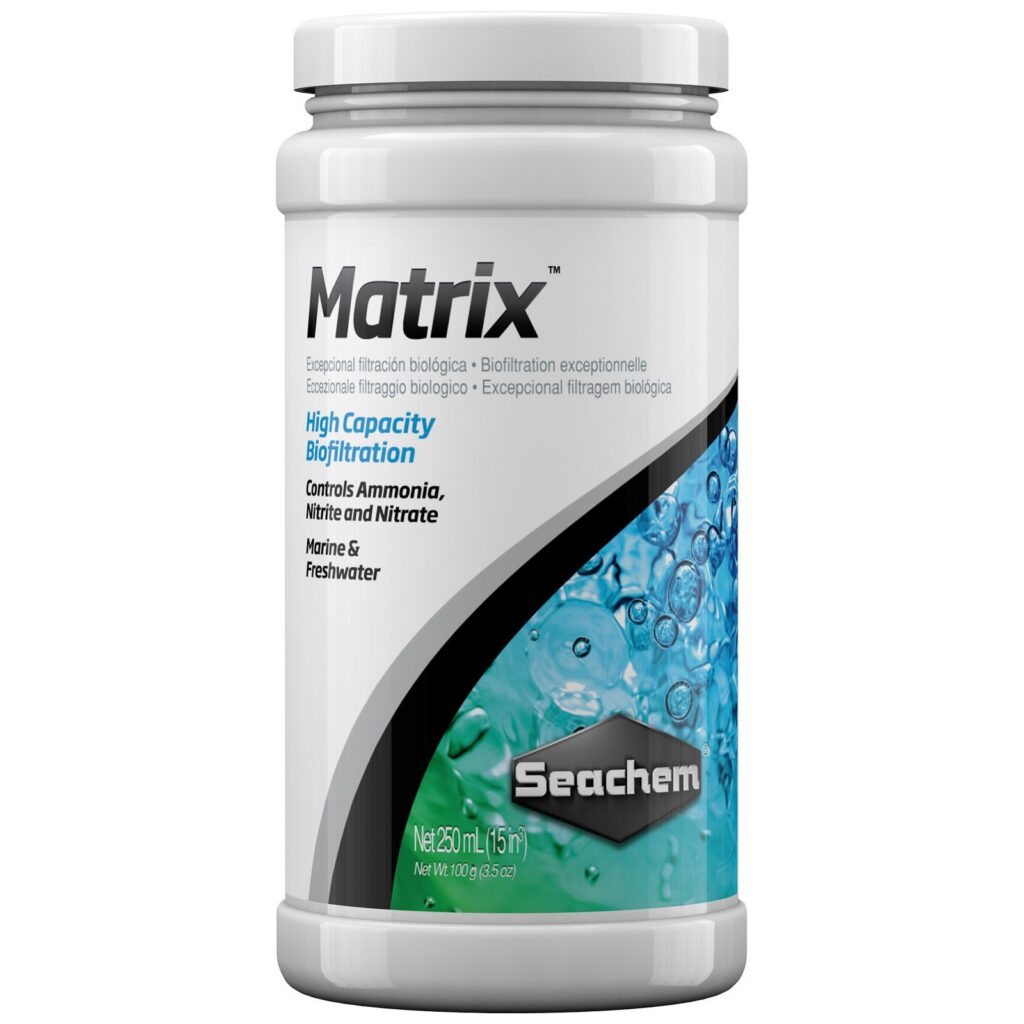
Biological filtration is achieved by passing water over a medium rich in beneficial bacteria. The beneficial bacteria convert ammonia to nitrite and then to nitrate. Sounds familiar? It’s the nitrogen cycle.
In other words, biological filtration enhances the nitrogen cycle. If you want to know more about the nitrogen cycle and the role of beneficial bacteria, make sure to read our article that’ll give you a simple explanation of the aquarium nitrogen cycle.
Thus, biological filtration creates a suitable environment for beneficial bacteria to thrive. Beneficial bacteria can be found on all the surface areas in your aquarium (glass, substrate, rocks, etc.) but mainly in your filter.
So, the more surface area you have, the more beneficial bacteria will grow. Enter biological filtration media such as bio-balls and ceramic rings.
Chemical Filtration
Chemical filtration is the process of removing dissolved organics in the water. Your aquarium can harbor all sorts of chemicals such as chlorine, extra proteins, and nutrient buildup. Specific materials are used in chemical filtration that absorb these harmful particles.
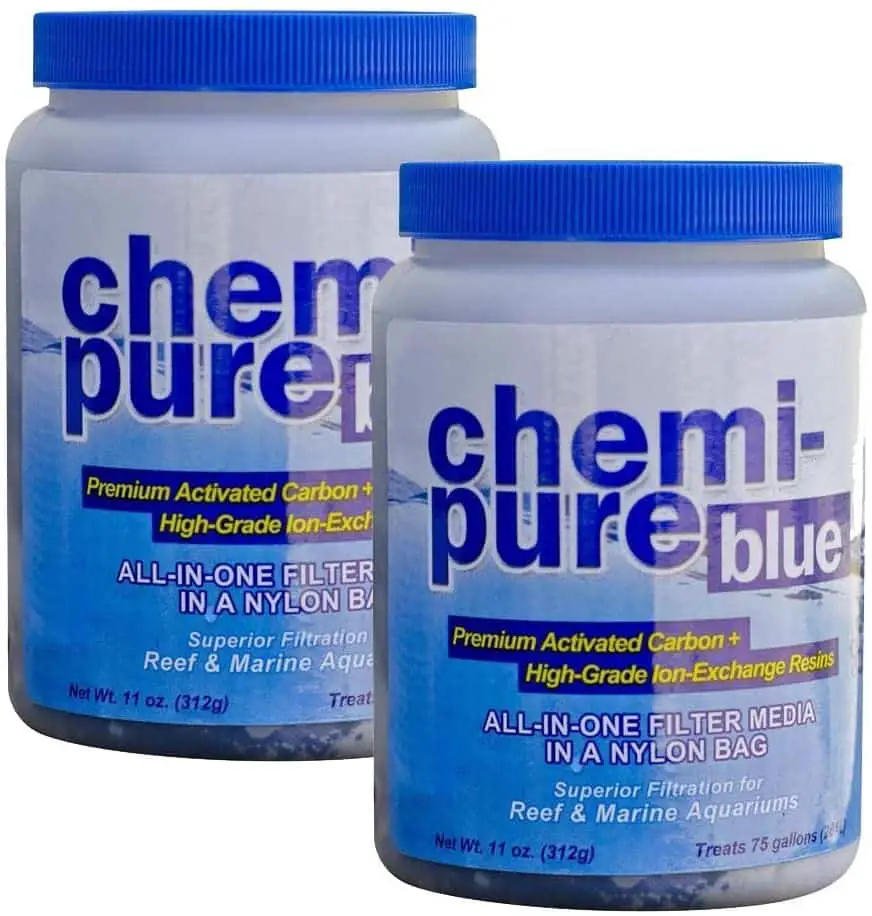
Since mechanical filters are hardly effective against waste that has dissolved into the water, chemical filtration can be useful. Odors and discolorations are usually eliminated with this kind of filtration as well.
Chemical filter media include activated carbon and zeolite. Activated carbon helps remove chlorine and chloramine, dissolved proteins, tannins from bogwood, bad odors, and medications. Zeolite effectively removes ammonia from your water.
Please keep in mind that chemical filtration requires regular maintenance. Due to the chemical filter media absorbing harmful chemicals, you need to replace your chemical filter media regularly to keep the harmful chemicals from releasing back into your water.
Types of Aquarium Filters
Sponge Filters
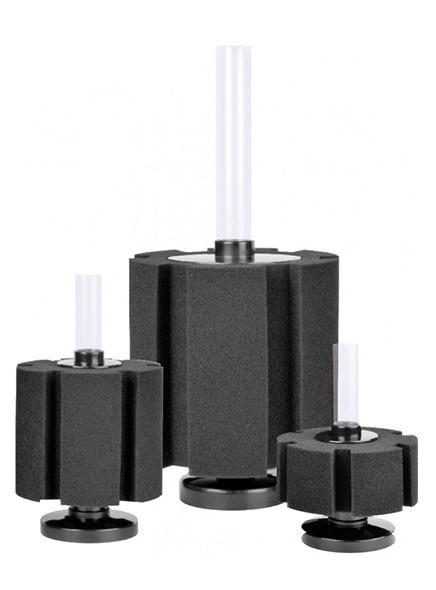
Sponge filters are the simplest and most affordable type of aquarium filter. Due to their simple design, sponge filters are easy to install and maintain.
Sponge filters consist of an air pump, airline tubing, and the sponge filter itself. As air is pumped, the air bubbles naturally rise to the surface, and water is forced to flow through the sponge material.
These types of filters can be installed in almost any tank, but they are more suitable for smaller tanks (up to 20 gallons). However, there are larger units available for larger tanks. And since fish are less likely to be sucked into a sponge filter, they are popular for fry tanks.
Read this article where I explain all you need to know about sponge aquarium filters or watch the video below.
Building a larger display aquarium? Instead of choosing each component independently, a professionally designed aquarium system can integrate the tank, filtration, heating, circulation, lighting, and other equipment from the beginning.
Hang-On-Back Filters
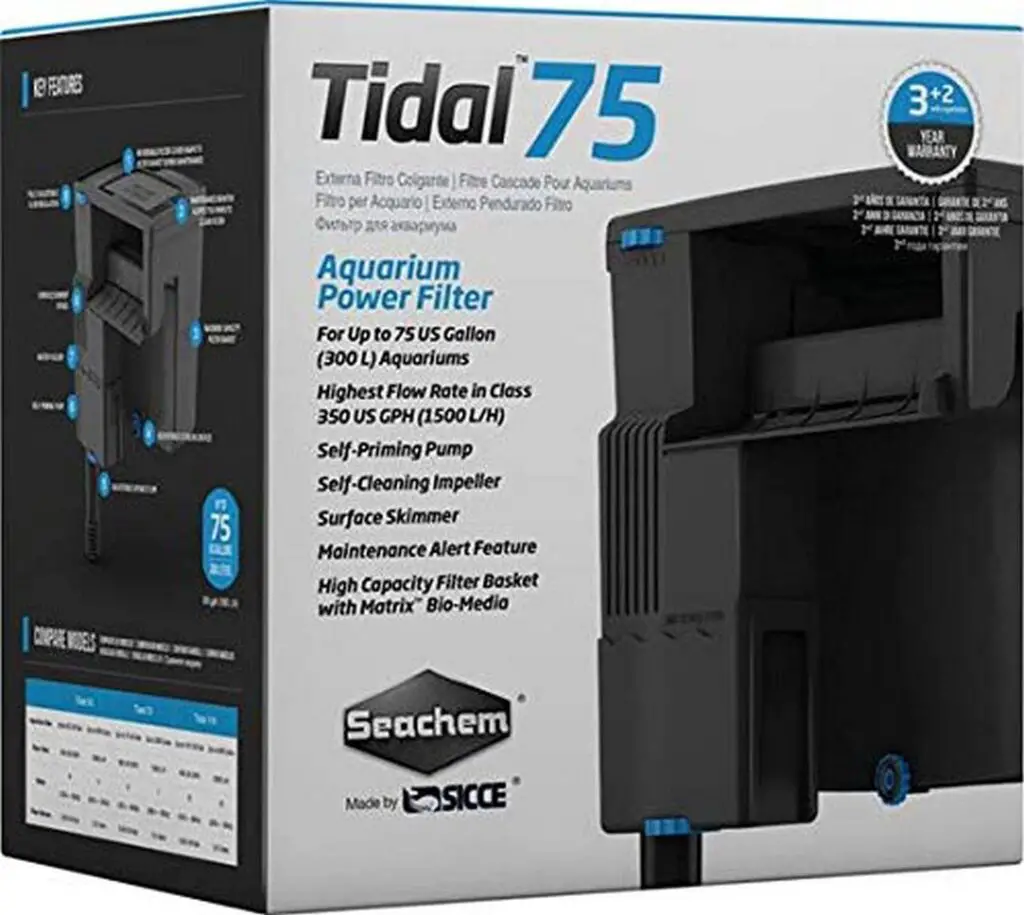
Hang-on-back (HOB) filters are also known as power filters. HOB filters are usually clipped on the back of the tank and use a few types of filtration media. They pack a lot of strength and efficiency, making them a popular filter choice among fish keepers.
HOB filters pull water from the tank through a pump, flow the water through different sections of filtering media, and then return the filtered water to the tank through a spout.
These types of filters can be installed in all tank sizes; Seachem makes them in a variety of sizes. This filter is perfect for both beginner and experienced fish keepers.
Read this article on HOB filter basics or watch the video below.